Japan, part 2: three days in Tokyo
Tokyo, where traditional streets and modern city life meet.
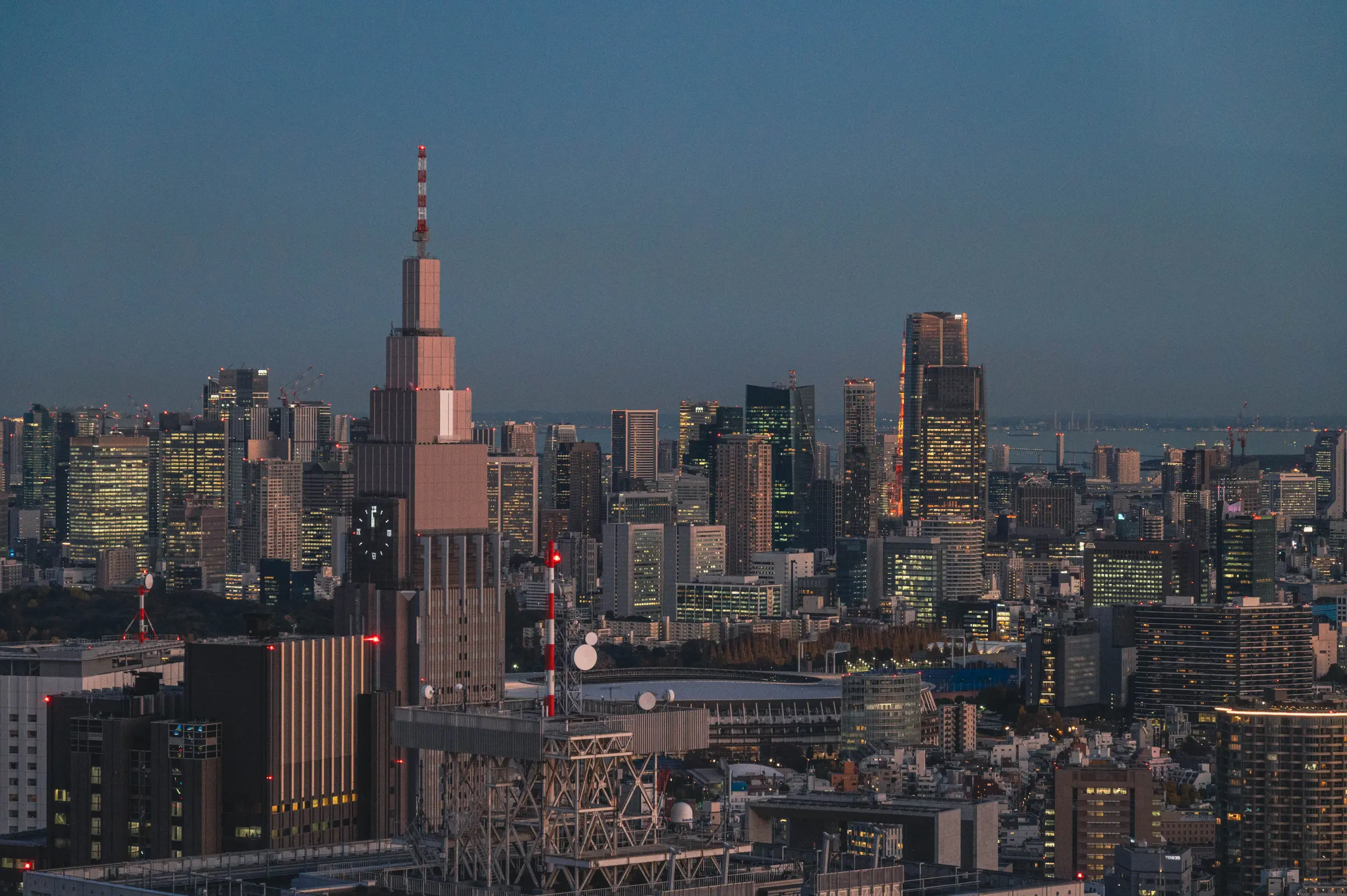
I began this article in October 2024, more than ten months after the trip. Looking back, some details remain vivid, while many others have probably faded. To preserve something of the journey, I finally made myself stop postponing it and began these travel notes.
Tokyo was bright and sunny in December 2023. Although winter had begun, the temperature was still around 15°C. I was fortunate to travel in such good weather. Almost the entire nine-day, eight-night trip turned out to be sunny. It felt like winning a prize.
I spent the first three nights in Tokyo. It is one of the world's few truly enormous cities, known for its distinctive skyline, narrow and varied streets, and traditional buildings among the concrete towers. I had wanted to visit for a long time.
For me, Tokyo's central subject was the city itself. Over a long period of population growth, it developed its own urban form and visual character. Its extensive railway system compensates for the difficulties that dense settlement creates for road traffic. As a center of politics, culture, business, and the economy, it handles extraordinary numbers of people and goods. Public transport, especially rail, has become highly developed through continuous adjustment. Visiting Tokyo means using its railways.
The subcenters on the Yamanote Line
My first stop was Shibuya. On Sunday morning, it was not especially crowded. Restaurants in the side streets had yet to open. The businesses still making noise were mostly pachinko parlors. Pachinko is a popular form of gambling machine in Japan.
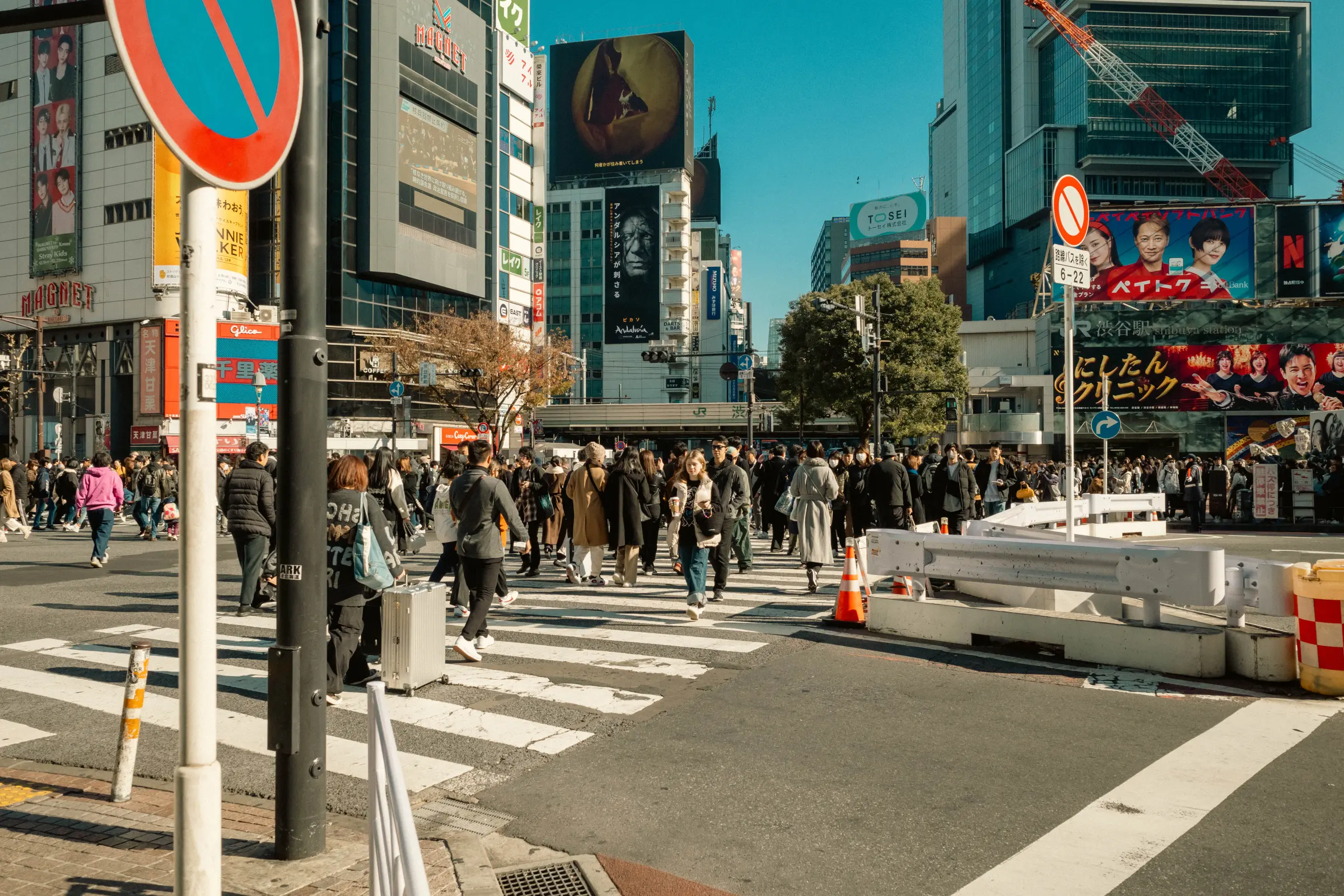
From the crossing, I could see railway tracks passing overhead.
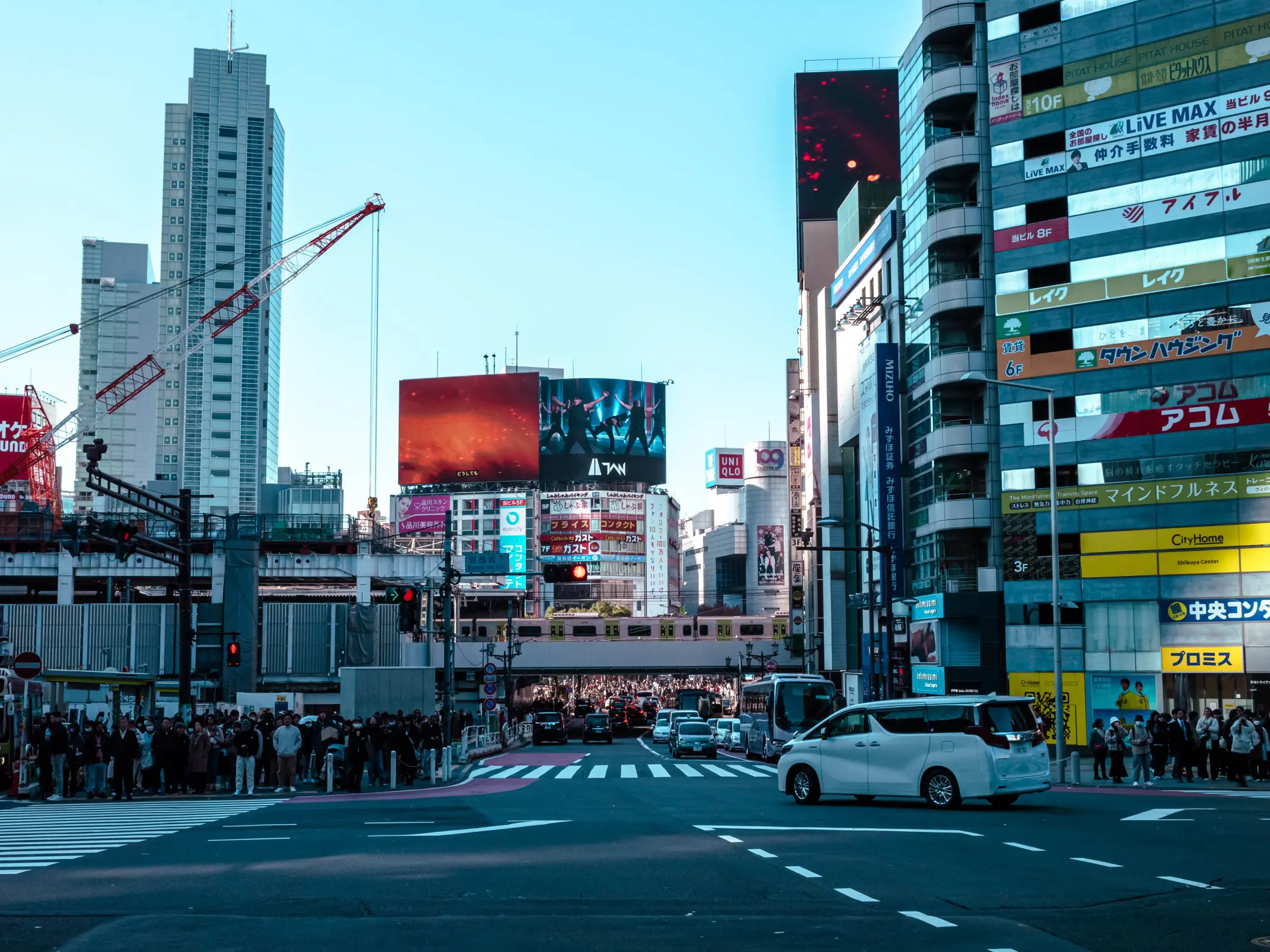
Shibuya, Shinjuku, and Ikebukuro are known as Tokyo's three major subcenters. I decided to spend the first morning walking from Shibuya to Shinjuku, following one of the city's main railways, the Yamanote Line.
The Yamanote Line began in the late nineteenth century as a freight railway connecting the Tokaido and Tohoku lines. Tokyo's coastal districts were already densely populated, with little available land, so the route passed through the quieter inland area on the "mountain side," which gave the line its name. From Shinagawa, it ran through what are now the busy centers of Shibuya, Shinjuku, and Ikebukuro. Later connections between Shinagawa and Tokyo, and Tokyo and Ueno, completed the loop.
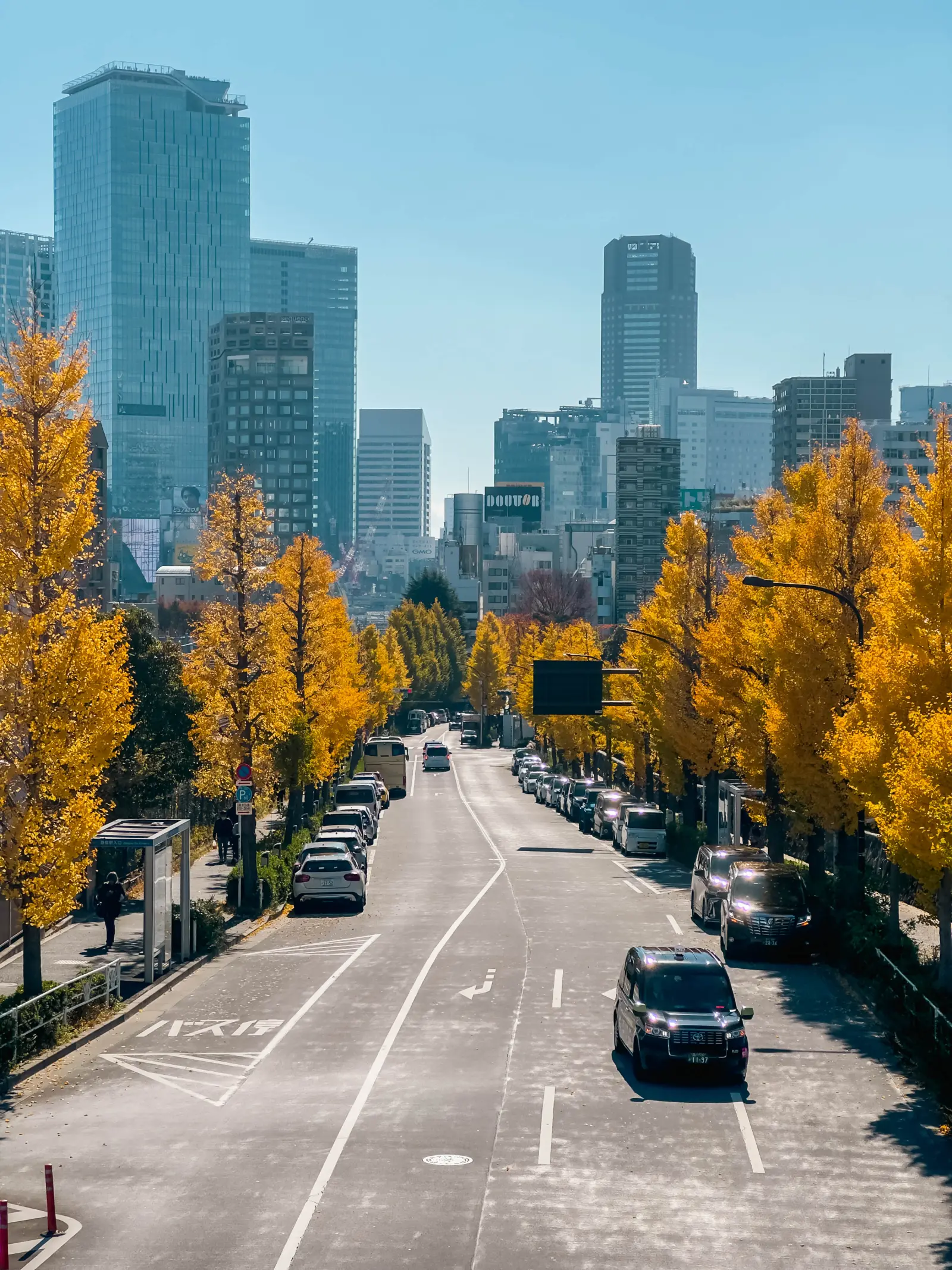
Walking north from Shibuya along slopes lined with ginkgo trees brought me to Harajuku, near the Yoyogi National Gymnasium and Meiji Shrine.
By midday, the entrance to Harajuku Station was crowded. Shopping centers across the street were busy. A rock band was performing outdoors in the station square. I felt the variety and energy of everyday life in Japan.
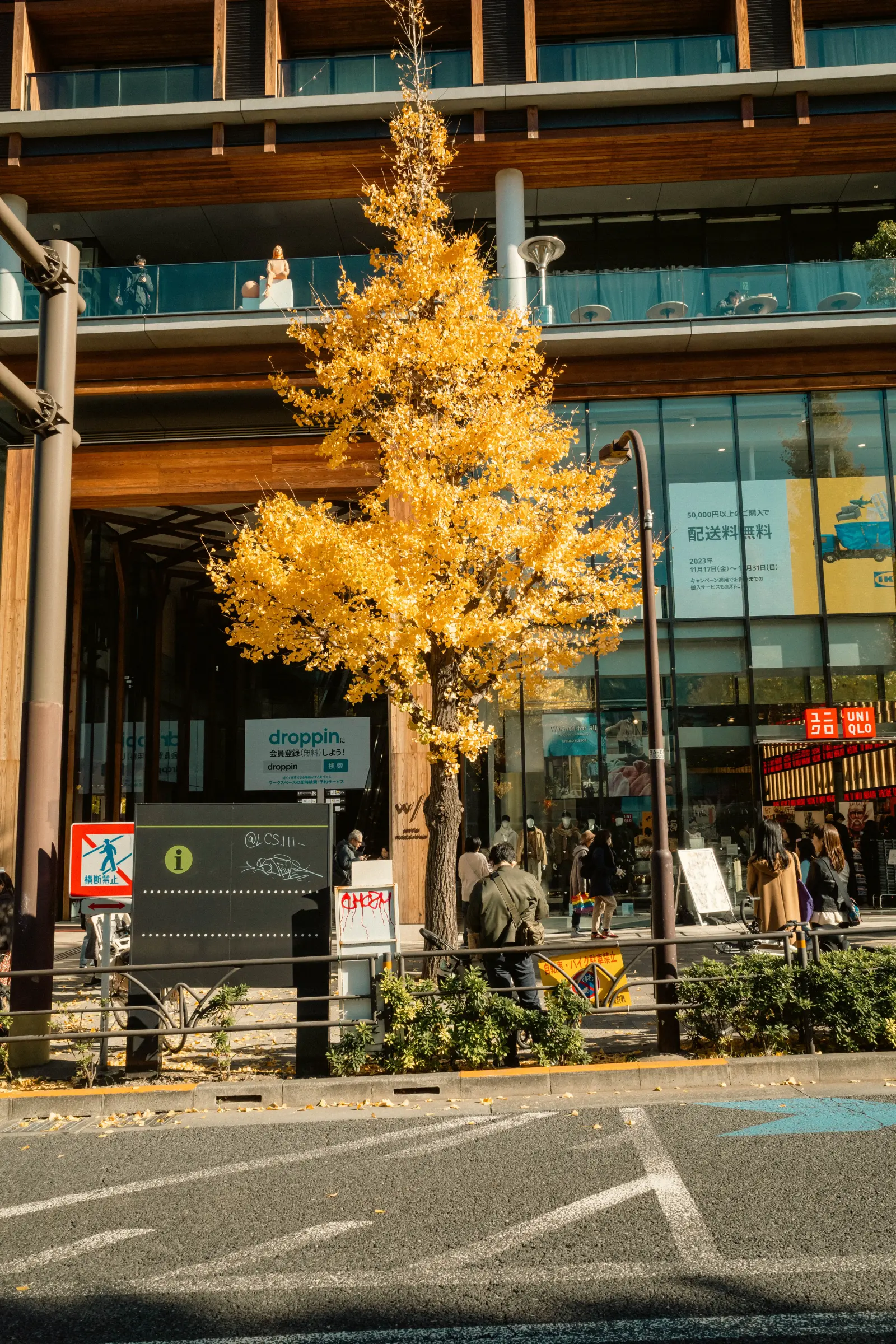
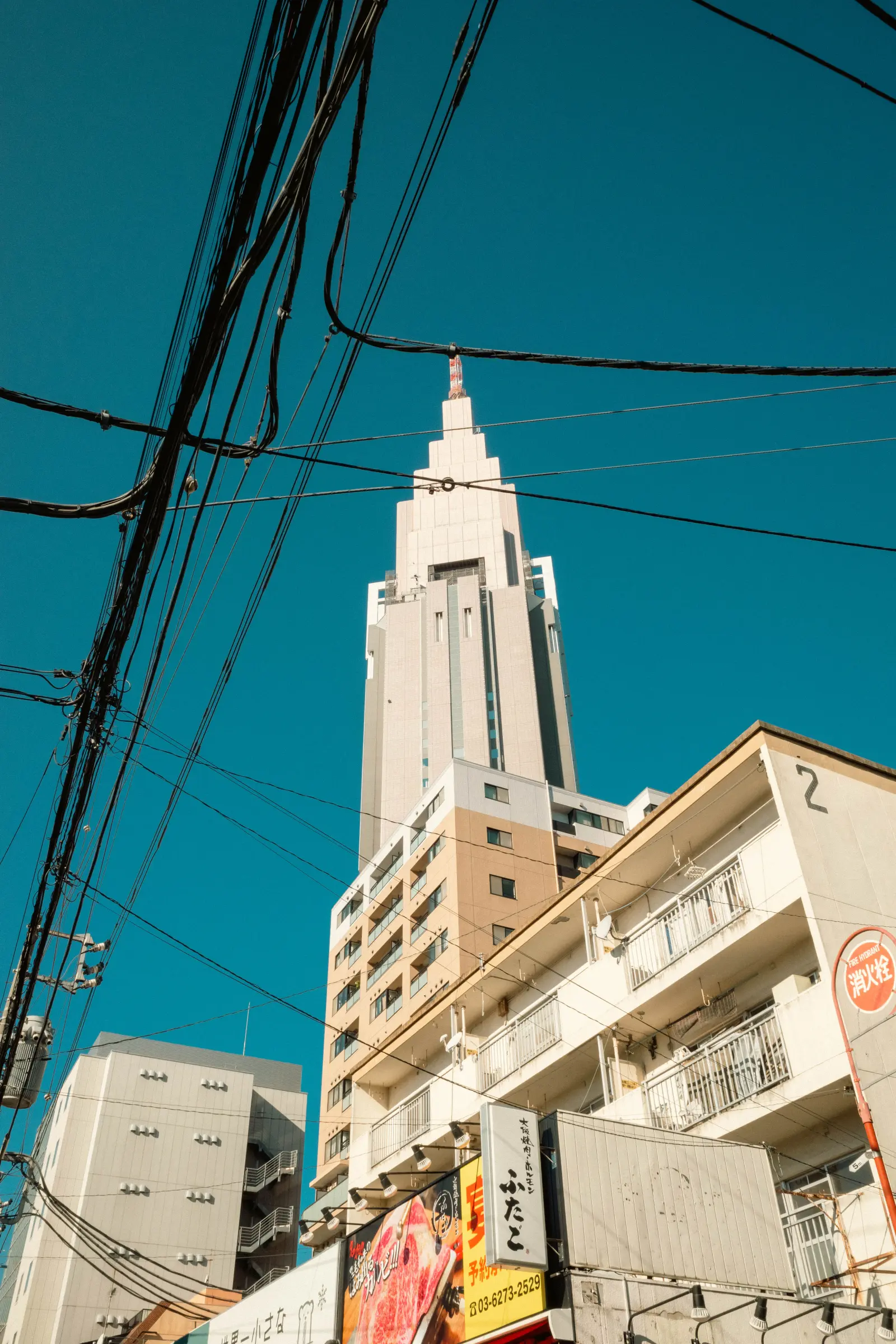
Harajuku is full of fashionable shopping streets. I did not stay long, but continued toward Shinjuku. Along the way, I saw the well-known NTT DOCOMO tower.
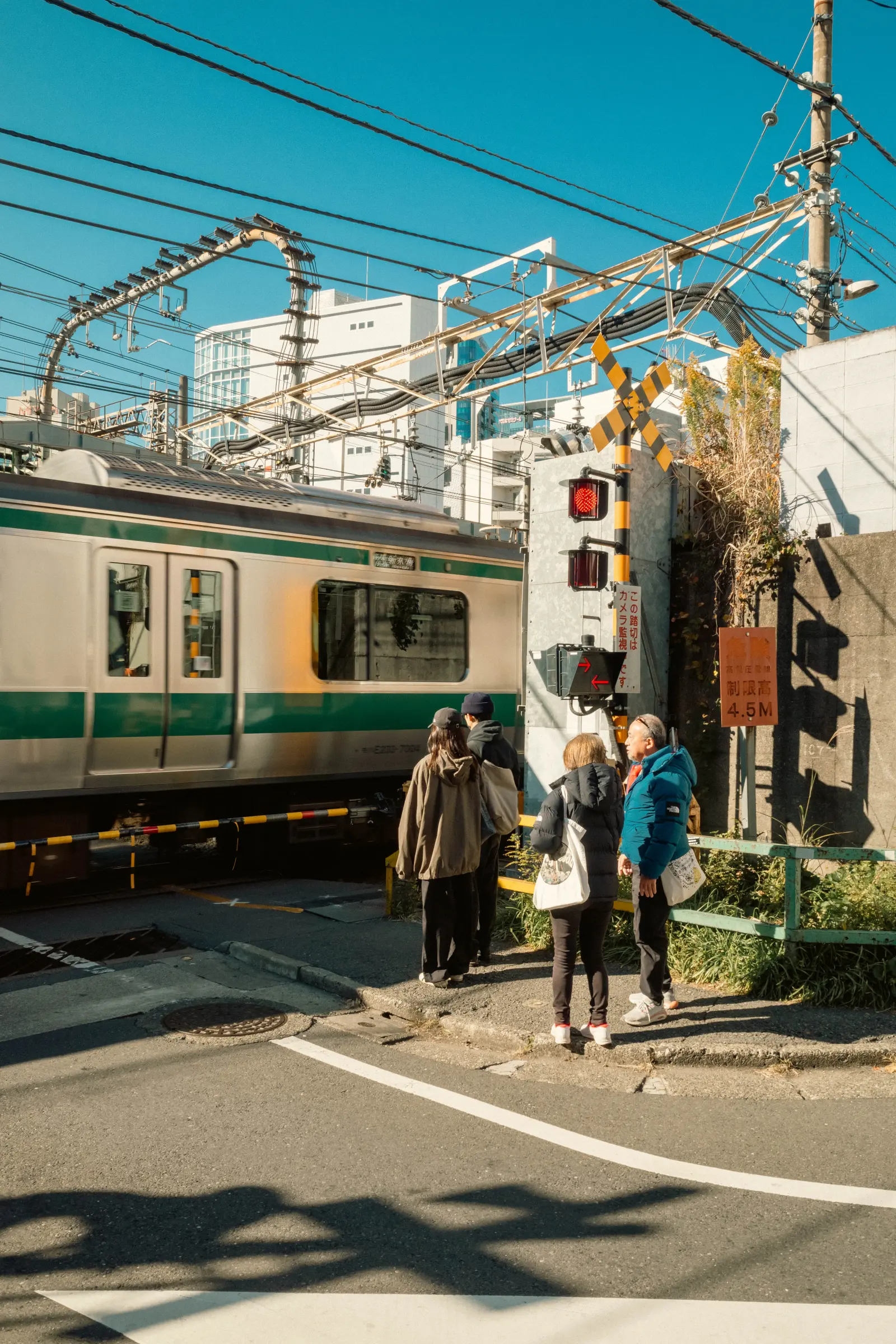
As I approached Shinjuku, the railway network became denser. Tracks crossed overhead, and there were many level crossings, or fumikiri. Such a concentration of level crossings is unusual in China today. One reason is that the national railway network is much less dense than that of the Tokyo metropolitan area. Yoyogi and Shinjuku stations on the Yamanote Line are only about 600 meters apart. Another reason is that many routes lack the space needed to separate rail and road levels.
After reaching Shinjuku, I briefly passed through Nishi-Shinjuku. The walk from Shibuya had given me much to think about. Homeless people lived beneath the overpasses near the Tokyo Metropolitan Government Building, while wealthy middle-aged and older people drove convertibles through Shibuya and Shinjuku with attractive passengers beside them. The contrast was difficult to ignore. Widespread inequality seems to be a common feature of modern society. At least homelessness occupied only a small part of what I saw in Tokyo. Perhaps those people could also receive enough material assistance to protect their health and lives.
Walking around Shimokitazawa
From Shinjuku Station, I took the Odakyu Line to Shimokitazawa. It is known as a center of alternative culture, with small theaters, cafes, and record shops. I arrived in the afternoon, and in the setting sun it looked like an ordinary lively neighborhood. There were activities teaching children to light a camping fire, as well as outdoor concerts.
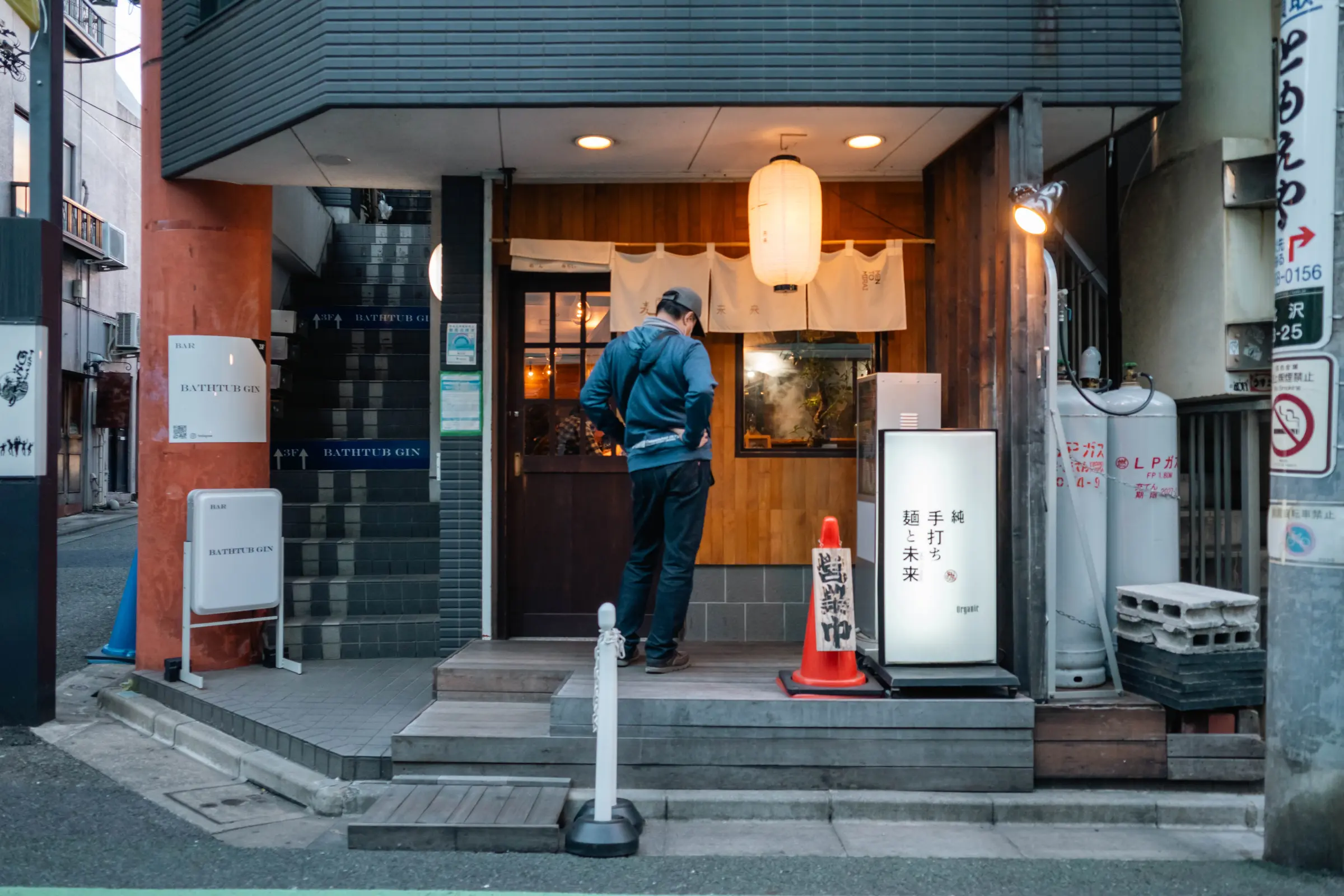
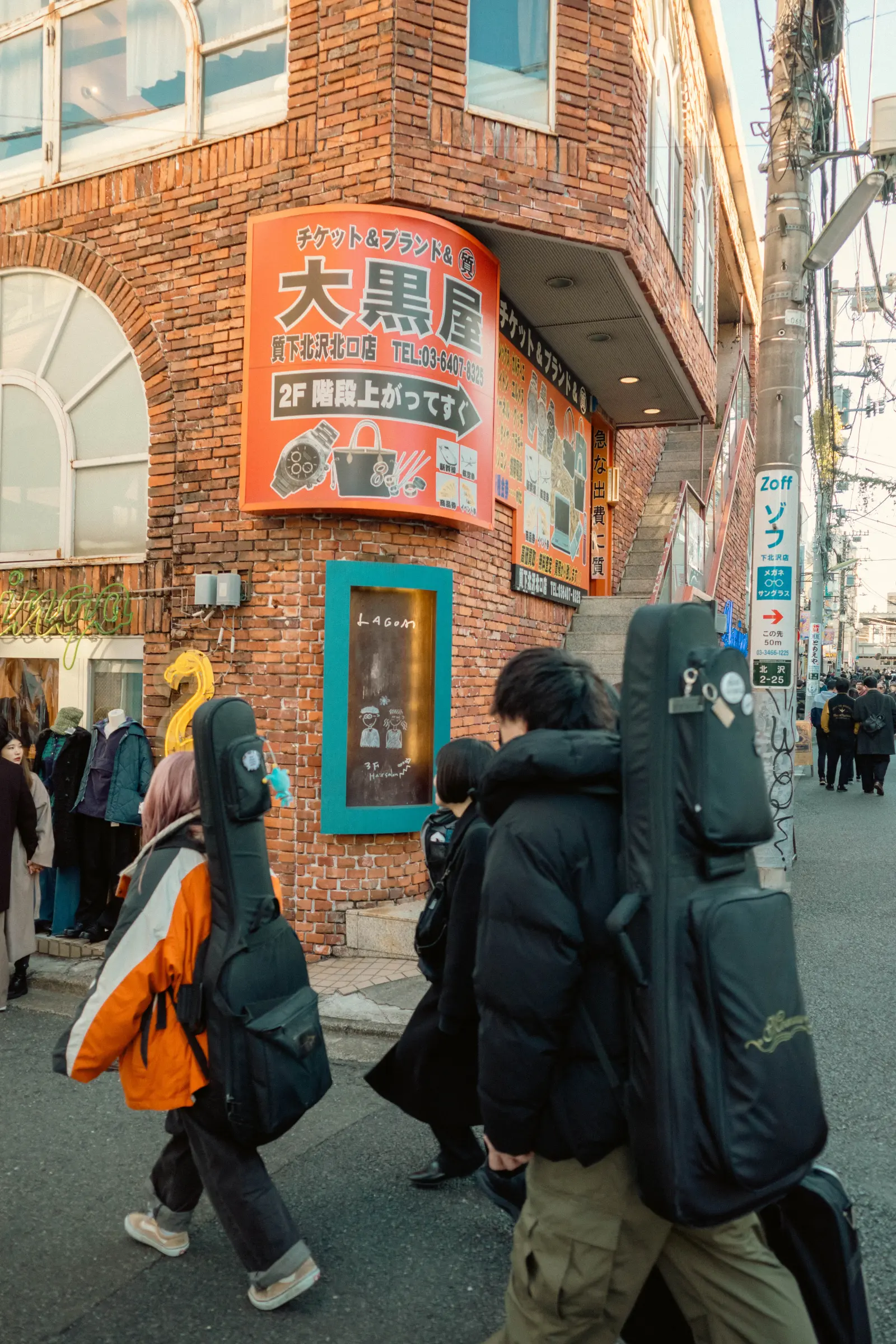
I would like to return to Shimokitazawa at night and hear some of its live music.
Akihabara
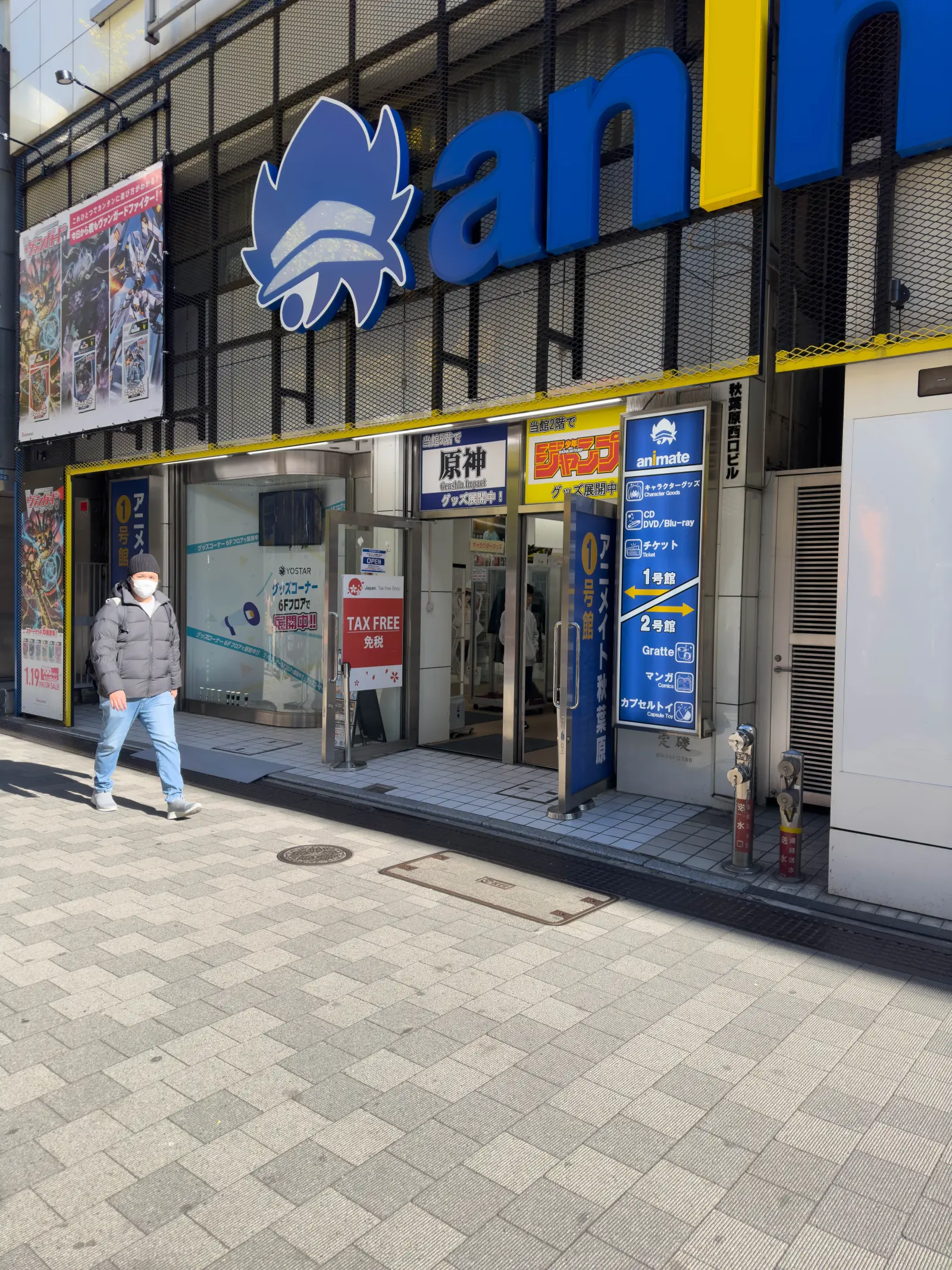
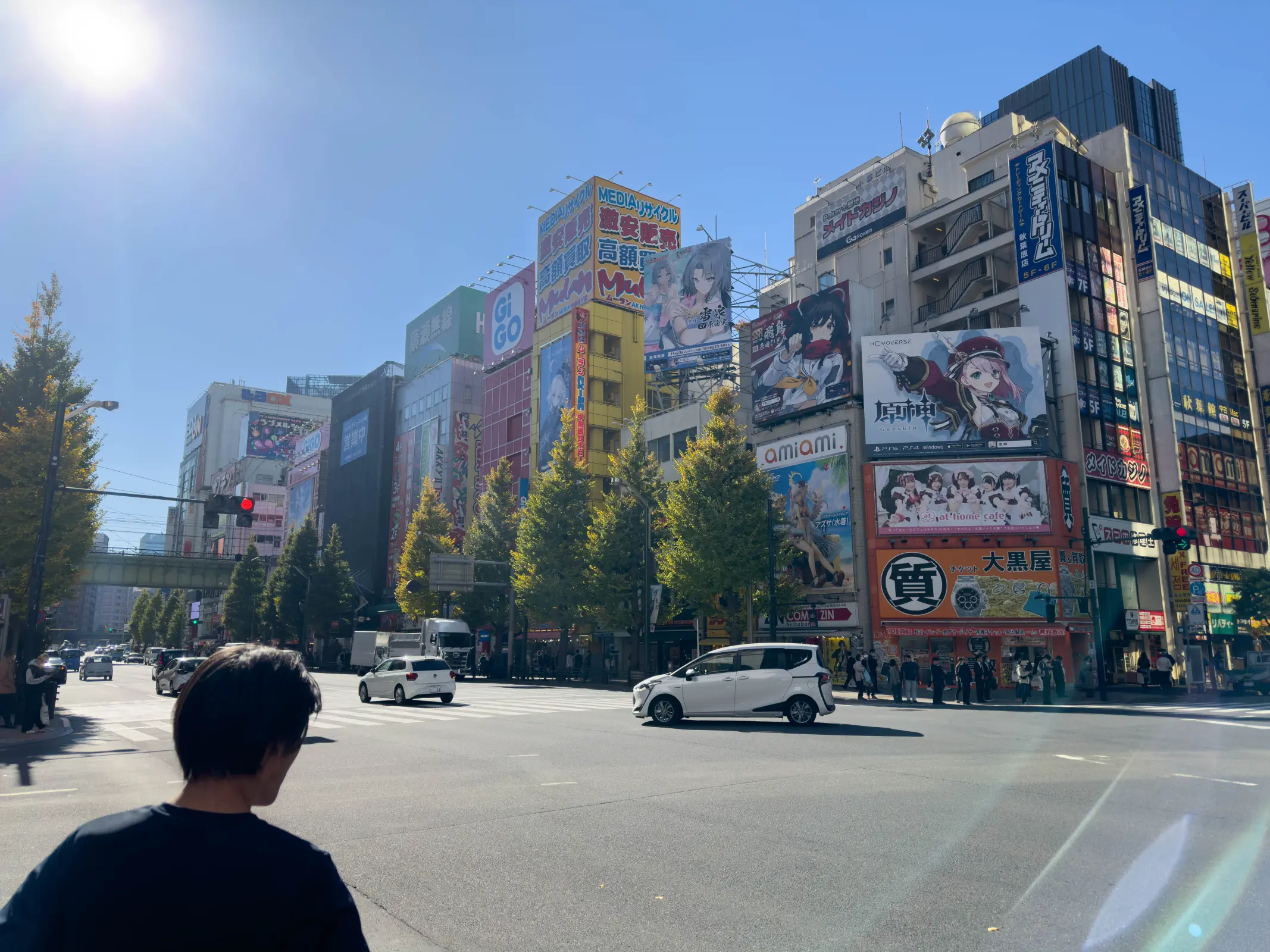
The next morning, I decided to visit Akihabara. Anime had shaped my interest in Japan, so this famous center of anime culture was high on my list. I did not want to miss it on a rare visit. For merchandise, Surugaya's main store offers opportunities to find inexpensive secondhand items. Large stores such as Animate are usually full of visitors from Europe and North America.
The Tokyo Metropolitan Government Building
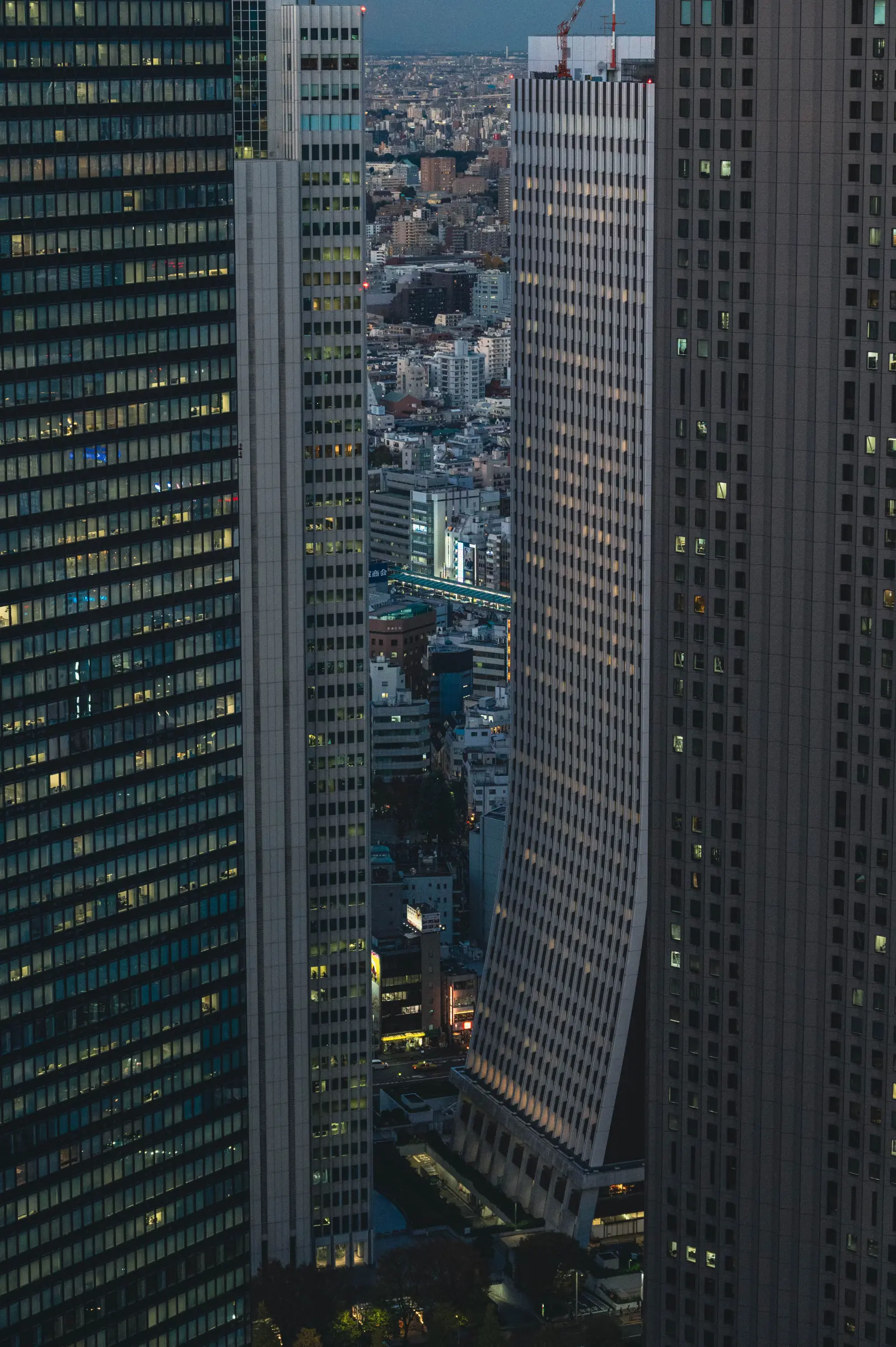
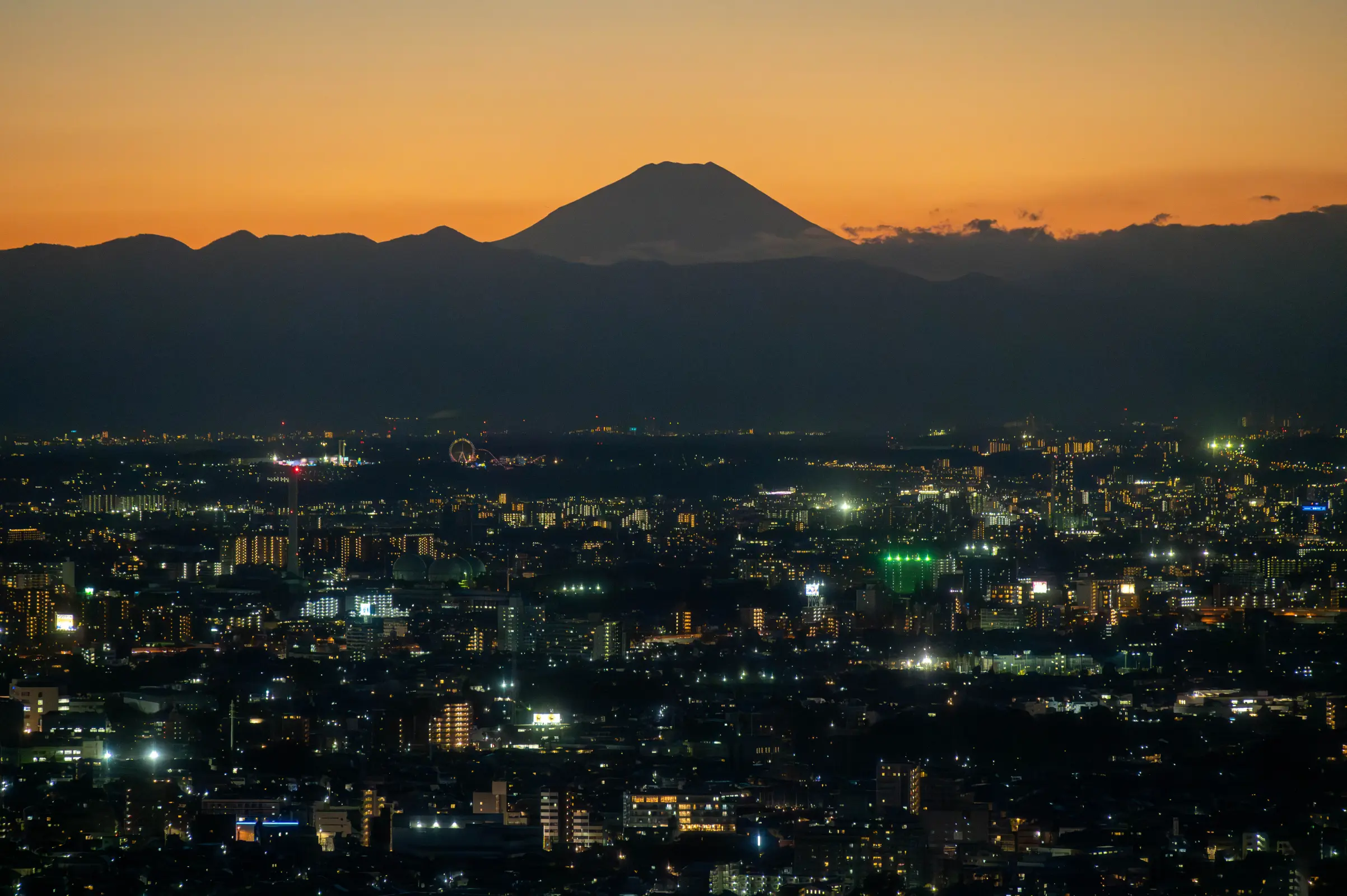
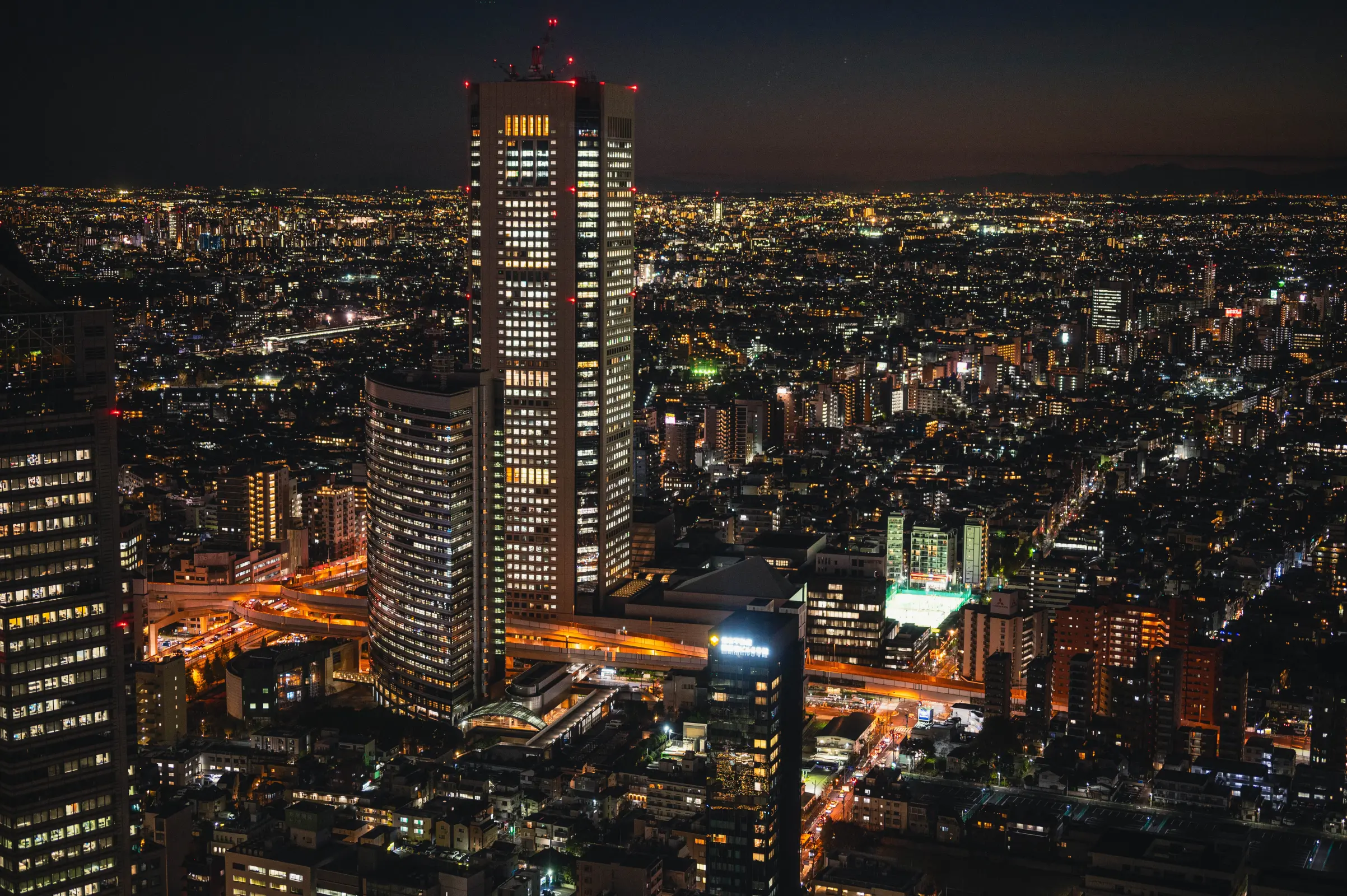
Another reason for visiting Tokyo was to see its skyline. The day before, I had planned to take photographs from the observation deck at Roppongi Hills, but an exhibition at the Mori Art Museum meant that the deck was closed. After returning from Akihabara and resting briefly, I set off for the Tokyo Metropolitan Government Building in Shinjuku. Two days of heavy walking had brought back an old ankle injury. It hurt intermittently, so I had to walk slowly and endure it. The effort was worthwhile: I arrived in time for Tokyo's skyline under a perfectly clear sunset.
The observation deck requires only a simple security check to enter. It stands among the high-rises of Nishi-Shinjuku. From there, I could see Mount Fuji and much of Tokyo's skyline.
Discussion
Comments are hosted by Disqus. Load them to connect to this service.